
In a town like Thodupuzha, where families often know their doctors personally, asking for a second opinion can feel awkward—almost like questioning someone you trust. Yet for major health decisions, a thoughtful second opinion can be the difference between anxiety and clarity, or between an avoidable surgery and a safer alternative.
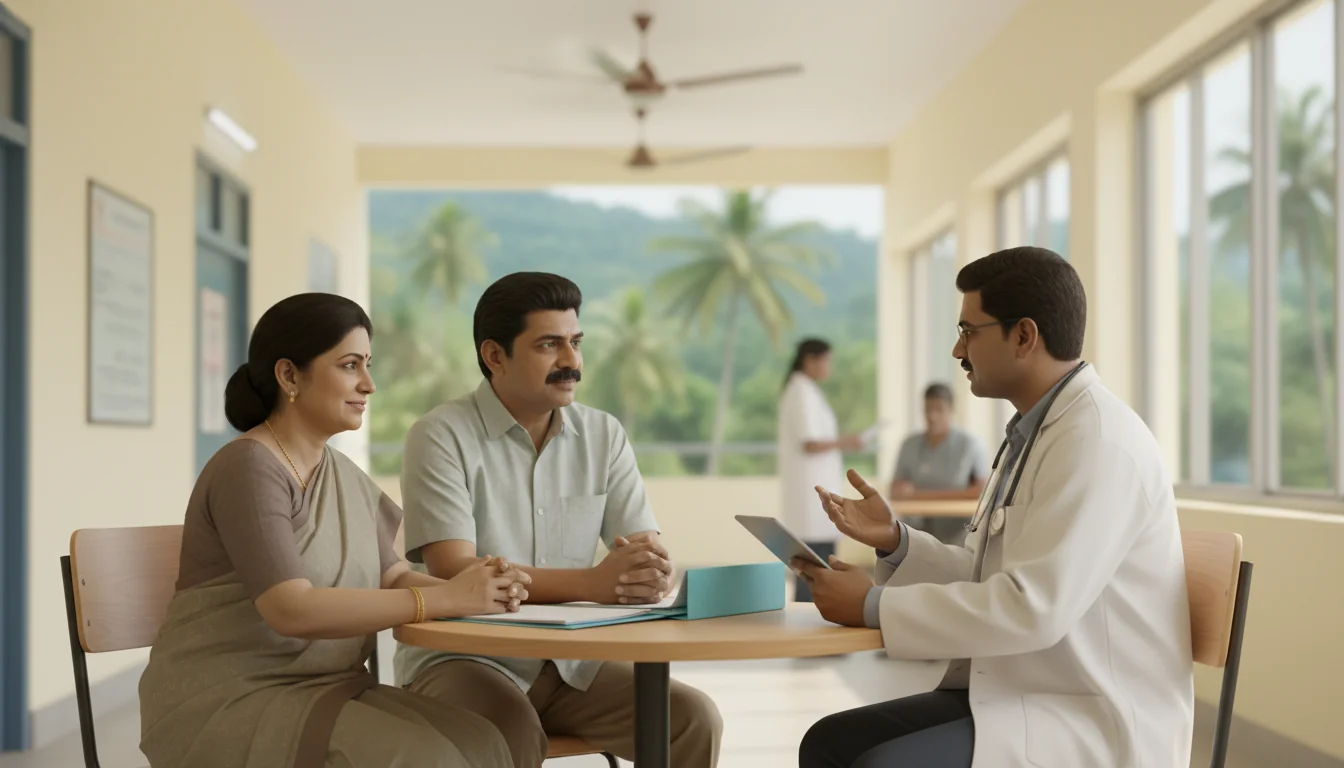
At Smita Memorial Hospital and Research Centre, a 300-bedded NABH-accredited multi-specialty hospital in Thodupuzha, specialists routinely receive referrals for second opinions on complex heart disease, cancer treatment, and high‑risk surgeries. The goal is not to create doubt, but to provide confirmation, options, and confidence.
This guide explains exactly when you should seek a second medical opinion, how to ask your doctor politely, and how local experts in Thodupuzha hospitals—especially tertiary centres like Smita Memorial—can support you without delaying critical care.
You should take a second medical opinion whenever the decision in front of you is high‑stakes, unclear, or uncomfortable. That usually means major surgery, cancer treatment, complex heart disease, or any diagnosis that doesn’t quite match what your body is telling you.
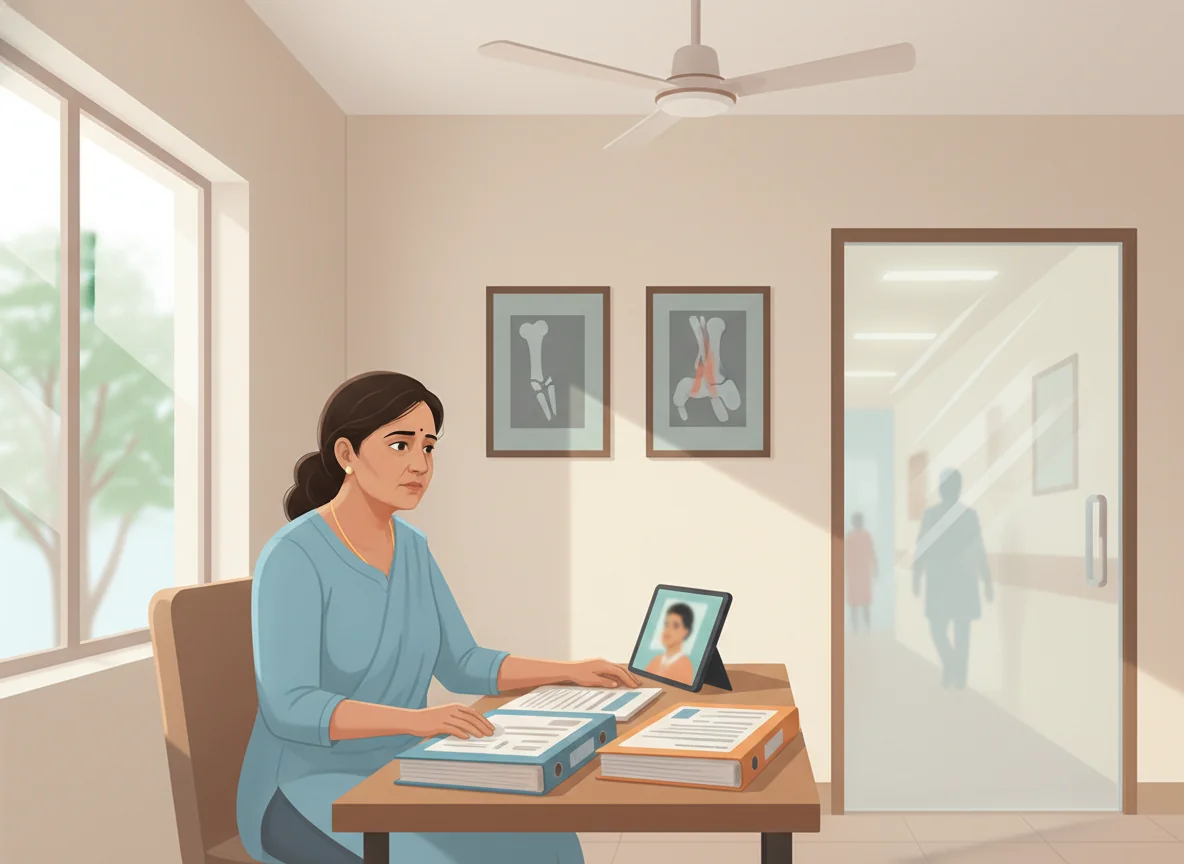
Clinically, second opinions are most valuable when:
Research from large cardiac centres in India shows that 10–20% of second opinions for heart procedures lead to a different treatment plan—often more conservative, but sometimes more urgent. That shift can materially change outcomes and costs.
The higher the risk and cost of treatment, the more a second opinion makes sense. In a multi‑specialty hospital in Thodupuzha like Smita Memorial, complex cases are routinely reviewed by multidisciplinary teams.

1. Major surgery
For orthopedic, spine, or abdominal surgeries, a second opinion can clarify:
2. Cancer care
Oncology decisions—chemotherapy regimens, radiation plans, surgical margins—are too important to rush. A tertiary care centre’s tumour board approach often combines inputs from surgeons, medical oncologists, and radiologists to confirm staging and the best sequence of treatments.
3. Heart disease
For angioplasty, stenting, or bypass surgery, a second opinion from an interventional cardiologist can:
Hospitals like Smita Memorial, equipped with advanced imaging and cath‑lab technologies, are designed specifically to handle this level of clinical scrutiny.
The best way to ask a doctor for a second opinion is to be honest, respectful, and specific. Most experienced doctors in leading Thodupuzha hospitals, including Smita Memorial, welcome second opinions for complex cases.

Use clear, polite language such as:
Practical steps:
In a NABH‑accredited setting, like Smita Memorial Hospital and Research Centre, transparency, patient rights, and shared decision‑making are part of the formal quality standards. You are not breaking etiquette; you are exercising a recognised right.
Choosing where to get your second opinion is as important as deciding to seek one. In and around Thodupuzha, not all hospitals offer the same level of infrastructure, protocols, or specialist depth.
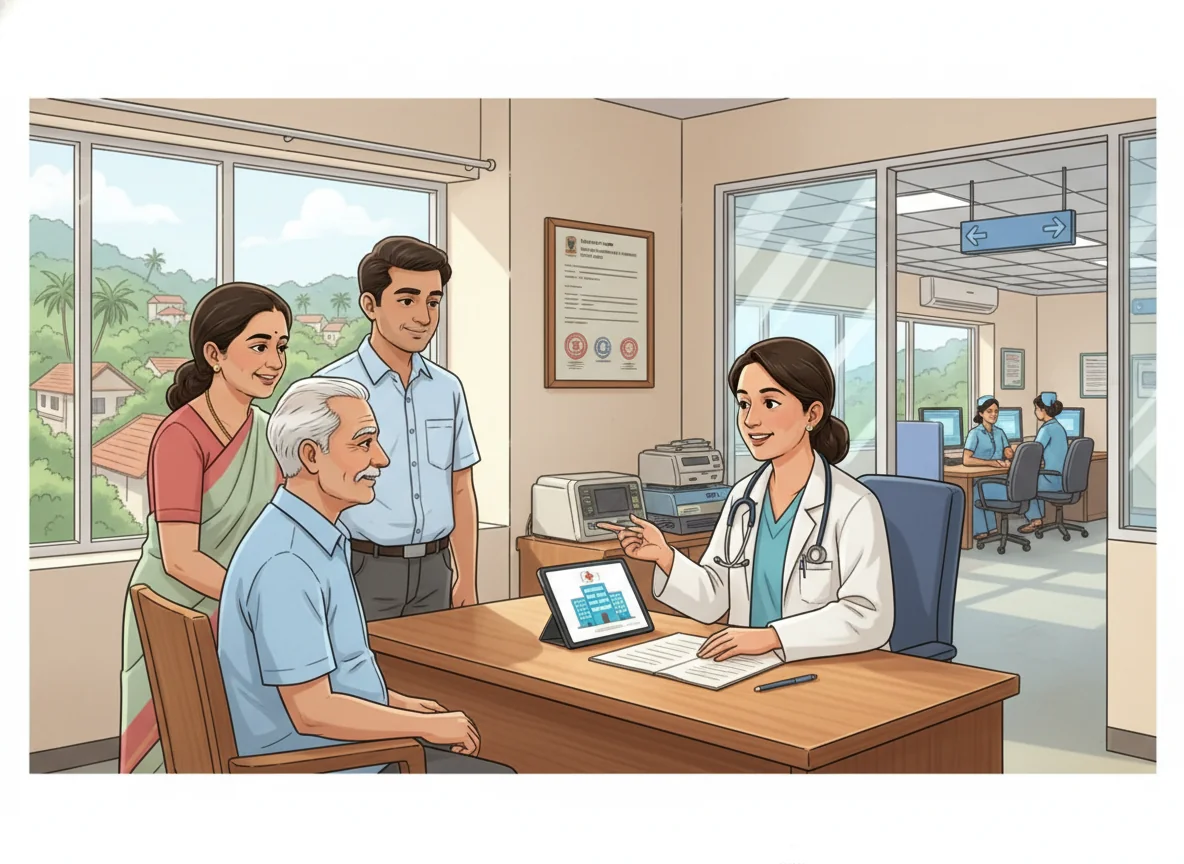
NABH accreditation is a national quality benchmark for hospitals in India. A NABH‑accredited hospital in Thodupuzha, such as Smita Memorial, commits to:
This matters directly for second opinions. When you walk into a tertiary care Thodupuzha hospital that is NABH‑accredited:
For many patients, the choice is not “Thodupuzha vs. big city,” but which hospital in Thodupuzha offers both the human touch and tertiary‑level expertise. A memorial hospital that combines critical care, super‑specialties, and homecare services can often deliver big‑city care without big‑city disruption to family life.
Smita Memorial Hospital and Research Centre positions itself as a referral and opinion centre for Idukki district and surrounding regions, not just as another hospital in Thodupuzha. Its 300 beds, multi‑specialty departments, and research orientation mean complex cases are routine, not exceptional.
For second opinions, the hospital typically offers:
The hospital’s online appointment system lets you upload existing reports and book a specific specialty consultation before you travel, reducing waiting time and repeat testing. For elderly or post‑operative patients, Smita Memorial’s homecare services can extend the treatment plan into the home, monitored by the same team that gave the second opinion.
As the first NABH‑accredited hospital in Idukki, Smita Memorial uses its quality framework to ensure second opinions are structured, documented, and shareable—so your primary doctor can easily review and collaborate, rather than feeling sidelined.
A well‑prepared second opinion visit saves time, money, and emotional stress. The process is simple if you follow a structured checklist before coming to a hospital in Thodupuzha like Smita Memorial.
1. Collect all medical records
2. Write down your questions
3. Book the right specialist
Use the hospital’s appointment system or helpline to ensure you see the appropriate consultant—cardiologist, oncologist, neurologist, etc.—and mention that you are coming specifically for a second opinion.
4. Bring a family member
A trusted relative can help you remember details, ask practical questions, and support shared decision‑making.
5. Ask for a written plan
Before you leave, request a written summary or email of the recommended plan, including timelines and any urgent red‑flag symptoms that require immediate attention.
You should strongly consider a second medical opinion if you’ve been advised major heart procedures (like angioplasty, stenting, or bypass surgery) or complex cancer treatments (chemotherapy, radiation, organ removal). It’s especially important when the treatment is high‑risk, expensive, or irreversible, and you feel uncertain or confused. If different doctors give conflicting advice, your symptoms don’t match the diagnosis, or your condition is not improving as expected, a second opinion at a tertiary care Thodupuzha hospital such as Smita Memorial can clarify the diagnosis, confirm the urgency, and sometimes offer safer or less invasive alternatives.
Be open and respectful. You can say, “This is a big decision for me and my family. For peace of mind, I’d like to get a second opinion. Could you help me with my reports?” Most senior doctors appreciate this honesty and may even recommend a colleague at another hospital in Thodupuzha or within their own network. Ask for copies of your investigations, clarify how much time you have before treatment must start, and reassure your doctor that you value their care and plan to share the second opinion with them.
Not always. Many second‑tier cities now have tertiary care hospitals with advanced diagnostics, experienced specialists, and national quality accreditations. In Thodupuzha, a NABH‑accredited multi‑specialty hospital like Smita Memorial provides evidence‑based care comparable to metropolitan centres, but with easier access for follow‑up, lower travel burden, and stronger family support. For extremely rare or highly specialised procedures, a big city may add value, but for most cardiac, cancer, orthopedic, and neurological decisions, local tertiary care with strong quality systems is entirely appropriate for second opinions.
In most cases, a second opinion does not significantly delay treatment and can actually prevent harmful or unnecessary interventions. The key is to ask your current doctor clearly about the urgency: “Is it safe to wait a few days for a second opinion?” For heart attacks, strokes, or active internal bleeding, treatment cannot wait. But for elective surgeries, chronic heart disease, and most planned cancer therapies, a few days to review options at a hospital in Thodupuzha like Smita Memorial is usually safe and worthwhile. Always confirm timelines with both the first and second doctors.
Yes. Smita Memorial Hospital and Research Centre offers online appointment booking so you can schedule a visit with the right specialist and share your previous reports in advance. This is especially useful if you’re travelling from outside Thodupuzha or from other parts of Idukki district. Booking online helps the hospital team prepare for your visit, reduces waiting time, and minimises repeat tests. When booking, mention that you are seeking a second opinion; the team can then guide you on which department, doctor, and investigations will be most relevant for your case.
A second opinion is not an act of mistrust; it is an act of responsibility. When the decision involves your heart, your cancer treatment, or a major surgery, you are entitled to clarity, confidence, and the best available evidence.
In Thodupuzha, patients no longer have to choose between local familiarity and world‑class care. With a NABH‑accredited, 300‑bedded multi‑specialty centre like Smita Memorial Hospital and Research Centre, you can access advanced diagnostics, experienced specialists, and structured second opinions without leaving your community support system.
If you’re standing at a medical crossroads—confused, anxious, or simply unsure—take one practical step: gather your reports and schedule a specialist consultation for a second opinion. Whether you ultimately stay with your original plan or adjust it, you will move forward with something priceless in healthcare: informed peace of mind.
