
If you or a family member is unwell, the hardest decision often comes before treatment starts: choosing the right specialist. In a town like Thodupuzha, where options are growing quickly, knowing which doctor and which hospital to trust can change not just your experience, but your outcome.

This guide gives you a precise, seven‑step system to find the right specialist doctor in Thodupuzha—especially for complex issues like heart disease, stroke, cancer, and trauma. It also explains what a tertiary care hospital is, how NABH accreditation matters, and how to use Smita Memorial Hospital and Research Centre’s systems to move from online search to a confirmed appointment.
A tertiary care hospital is a high‑level medical centre that delivers advanced, specialist‑driven care for complex and severe conditions, using multidisciplinary teams and cutting‑edge technology. In India, tertiary care typically includes interventional cardiology, cardiothoracic surgery, neurosurgery, oncology, advanced critical care, and complex emergency and trauma services.
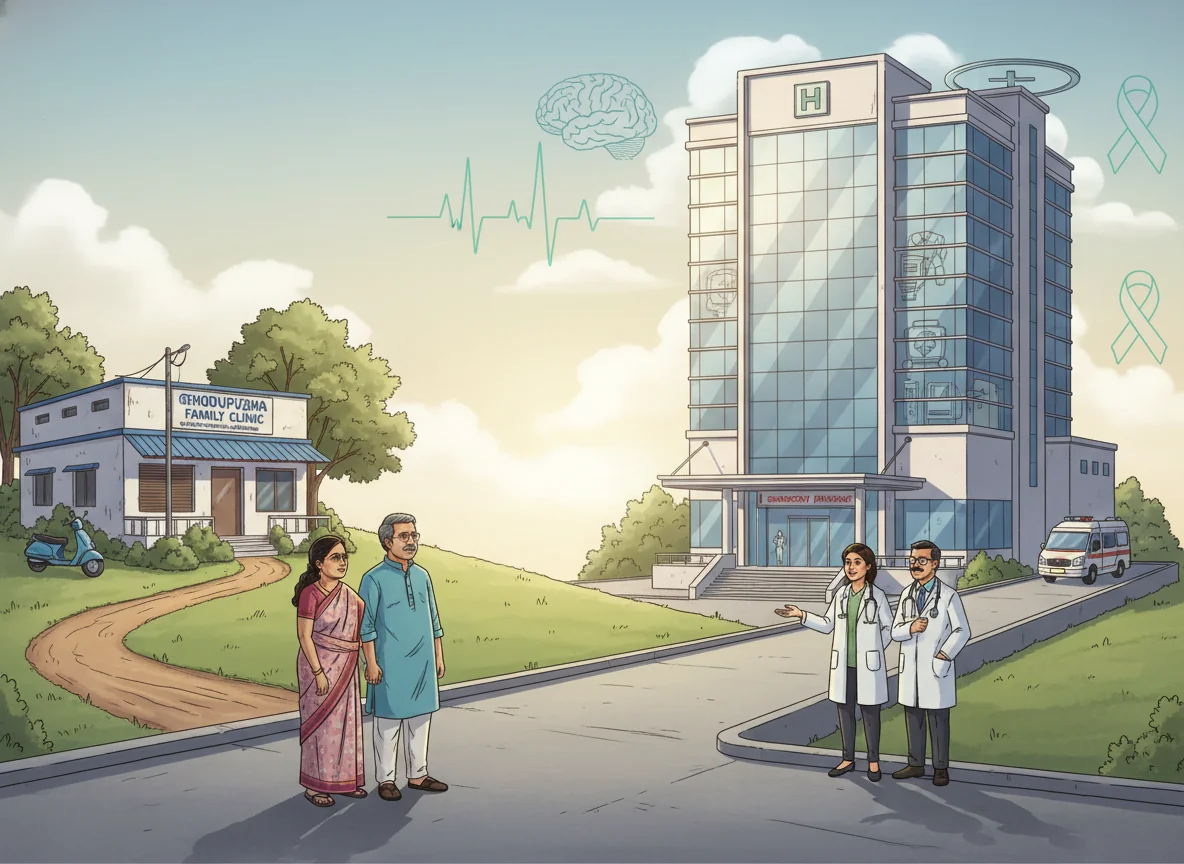
For Thodupuzha residents, this distinction matters. A clinic can manage common fevers. A secondary hospital can handle routine surgeries. But when you suspect a heart attack, stroke, major accident, or need a second opinion on cancer treatment, you want a tertiary care hospital with:
Smita Memorial Hospital and Research Centre is a 300‑bedded multi‑specialty tertiary care hospital in Thodupuzha, designed precisely for this level of care. Because it’s the first NABH‑accredited hospital in Idukki district, its processes are audited against national quality standards—covering patient safety, infection control, medication safety, and ethical practices.
To find a specialist doctor in Thodupuzha who truly matches your condition, evaluate them using seven practical criteria. This turns an emotional decision into a structured one.
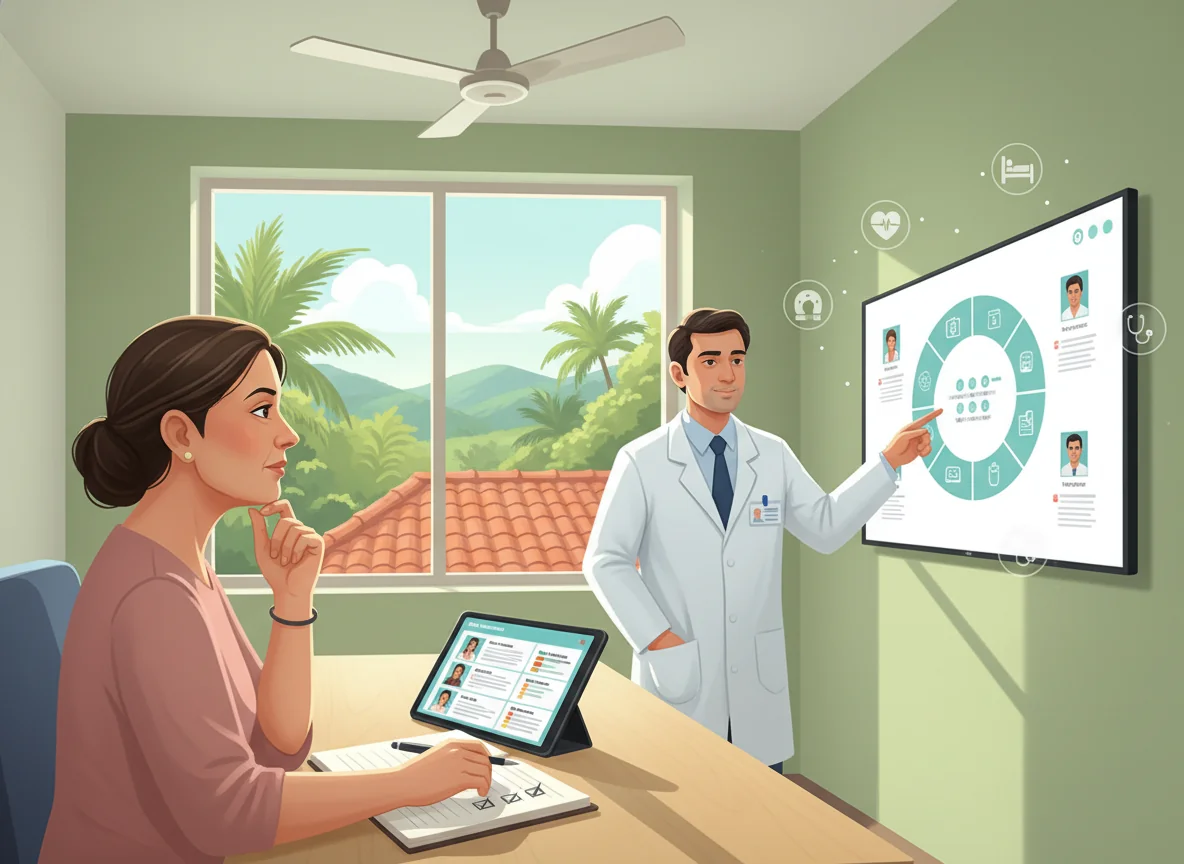
The seven criteria are:
Smita Memorial’s departmental pages and doctor profiles are designed to surface these signals—highlighting special interests (for example, heart rhythm disorders or complex joint replacements), procedures performed, and languages spoken.
To find the best cardiologist in Thodupuzha, Kerala, focus on three things: cardiology sub‑specialisation, access to advanced cardiac technology, and evidence of strong outcomes within a tertiary care environment.
Cardiology is broad. You may need:
An ideal cardiology setup looks like this:
Smita Memorial Hospital’s cardiology and cardiothoracic surgery teams operate within a tertiary care framework, combining evidence‑based protocols with advanced interventional and surgical options. When comparing cardiologists, check:
To get a second opinion from a specialist at Smita Memorial Hospital and Research Centre, you need to organise your records, choose the right department, and use the hospital’s appointment system to book either an in‑person or online consultation.
Here is a simple process:
Second opinions are especially valuable for decisions about surgery, complex heart procedures, cancer treatment plans, and unexplained symptoms.
Three objective signals help you compare specialist doctor consultations and Thodupuzha hospitals: national accreditation, technology depth, and clinical outcomes.
1. NABH accreditation
National Accreditation Board for Hospitals & Healthcare Providers (NABH) is India’s most respected hospital‑quality framework. An NABH‑accredited hospital like Smita Memorial:
2. Technology & infrastructure
For specialties such as cardiology, neurosurgery, and oncology, outcomes improve significantly when doctors have:
3. Success rates and volumes
High‑volume centres often show better outcomes. Leading Indian heart institutes report success rates above 90–95% for many cardiac procedures. While every hospital’s numbers differ, look for:
The gap between Googling and actually seeing the right doctor is where many patients get stuck. To move from search to a confirmed specialist appointment efficiently, follow a scripted path.
Step 1: Shortlist the right hospital
Search for terms like “find specialist doctor Thodupuzha” and prioritise tertiary care, NABH‑accredited hospitals such as Smita Memorial.
Step 2: Use hospital tools
On Smita Hospital’s website, use:
Step 3: Match slot to urgency
For chest pain, stroke, injury, or breathing difficulty, skip online forms and go straight to the Emergency & Trauma department. For planned issues—joint pain, diabetes, follow‑up after surgery—an OP slot is ideal.
Step 4: Confirm and prepare
Once you receive an SMS / email confirmation or a call from the hospital, arrange travel and documents. Aim to reach 15–20 minutes early for first visits.
The best outcomes don’t come from a single visit; they come from continuity of care. Once you have found a specialist doctor in Thodupuzha who fits your needs, invest in a long‑term relationship.
Here’s how to do that effectively:
Patient testimonials from tertiary centres across India consistently highlight two themes: doctors who listen, and teams that follow up. Smita Memorial’s focus on patient satisfaction, digitised records, and coordinated departments is designed to support exactly that kind of long‑term relationship.
A tertiary care hospital is a high‑level medical centre that handles complex, severe, and high‑risk conditions using advanced technology and super‑specialist teams. Unlike primary care (clinics, family doctors) that treat common illnesses, and secondary care (smaller hospitals) that manage routine surgeries and admissions, tertiary hospitals offer services such as interventional cardiology, cardiothoracic surgery, neurosurgery, oncology, and advanced ICUs. Smita Memorial Hospital and Research Centre is a 300‑bedded multi‑specialty tertiary care hospital in Thodupuzha, meaning it can manage everything from emergency heart attacks and trauma to complex surgeries and multi‑organ intensive care under one roof.
Start by matching your symptom or diagnosis to the right speciality—cardiology for chest pain or heart disease, neurology for stroke or seizures, orthopaedics for joint or bone problems, and so on. Then, shortlist tertiary care hospitals like Smita Memorial that have NABH accreditation and strong infrastructure. Use the hospital’s “Find a Doctor” tool to filter specialists, and compare them by experience, sub‑specialisation, access to technology, and patient feedback. Finally, book an appointment and assess the doctor on communication clarity, thoroughness of examination, and whether they suggest a structured plan rather than only short‑term relief.
You can get a second opinion at Smita Memorial even if you are already under treatment elsewhere. First, collect all your documents: prescriptions, diagnostic reports, discharge summaries, operative notes, and imaging films or CDs. Then visit the Smita Hospital website, choose the relevant speciality and doctor, and use the “Book an Appointment” option. In the form or during the confirmation call, clearly mention that you are seeking a second opinion. For many conditions, the team can also guide you about teleconsultation if you cannot travel immediately. During the visit, the specialist will review your current plan, explain alternatives, and document a clear recommendation you can discuss with your primary doctor.
To choose the best cardiologist in Thodupuzha, look beyond name recognition. Verify whether the cardiologist works in a tertiary care hospital with a dedicated cath lab, cardiac ICU, and 24x7 emergency response, like Smita Memorial. Check for interventional cardiology training if you may need angiography or angioplasty. Ask about the team’s experience in handling heart attacks, heart failure, arrhythmias, and device implants. It is also wise to see if the hospital mentions strong success‑rate ranges for cardiac procedures. Finally, during your first consultation, notice if the cardiologist takes time to assess risk factors, explain lifestyle changes, and plan long‑term follow‑up, not just prescribe tablets.
Yes. Smita Memorial Hospital and Research Centre supports online appointment booking for specialist consultations. Visit the hospital’s official website and use features like “Book an Appointment” or “Find a Doctor.” You can select the speciality (for example, cardiology, neurology, orthopaedics, gastroenterology), choose a specific doctor if you prefer, and pick a suitable date and time slot. Once submitted, you typically receive a confirmation via SMS, email, or a follow‑up call from the hospital team. For urgent problems, especially chest pain, stroke symptoms, severe breathlessness, or major injuries, you should bypass online booking and go directly to the Emergency & Trauma department, which operates 24x7.
For your first visit, carry a complete medical file so the specialist can make accurate decisions in a single sitting. Include a list of current medications, any allergies, recent blood tests, imaging reports (X‑rays, CT, MRI, ultrasound), ECGs, and previous discharge summaries. Also bring government ID, insurance details if applicable, and a written list of your main questions or concerns. For heart, lung, or diabetes problems, a small notebook or phone log of recent readings (blood pressure, blood sugar, episodes of chest pain or breathlessness) is extremely helpful. Arrive 15–20 minutes early to complete registration and vital checks before you see the doctor.
Choosing a specialist doctor no longer needs to be guesswork or based on one friend’s recommendation. By anchoring yourself in a tertiary care, NABH‑accredited hospital like Smita Memorial, and then applying seven clear criteria—experience, sub‑specialisation, technology, success patterns, accreditation, reviews, and communication—you dramatically improve your odds of the right diagnosis and treatment.
From finding the best cardiologist in Thodupuzha to seeking a nuanced second opinion on surgery or cancer care, the path is the same: shortlist the right hospital, use its digital tools, confirm an appointment, and build a long‑term relationship with your specialist. Your next step can start today—with your reports in hand and a single completed booking form standing between online research and real‑world care.
